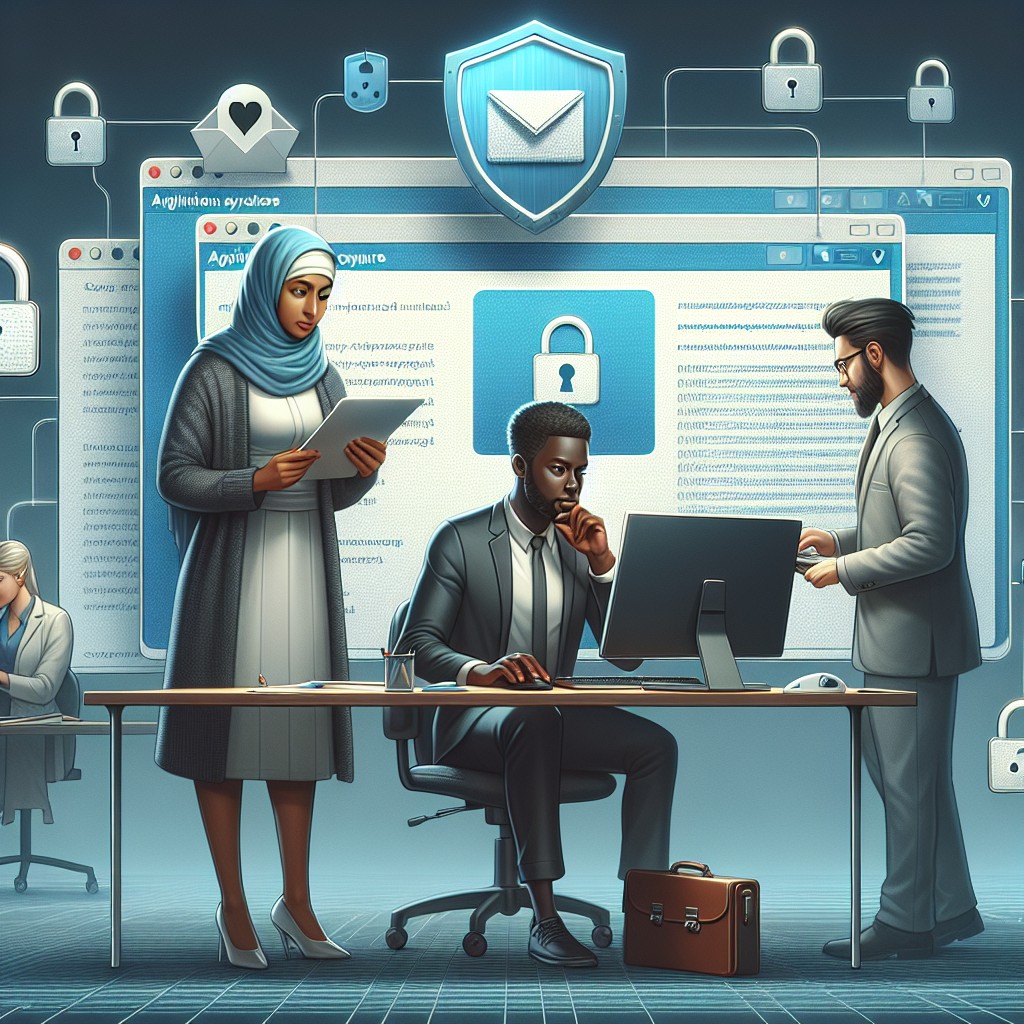
In an era marked by a constant barrage of digital threats, cybersecurity fatigue has become a growing concern for individuals and organizations alike. Despite a sense of overwhelm, maintaining basic cybersecurity habits remains essential to prevent significant breaches and damage.
Understanding cybersecurity fatigue
Cybersecurity fatigue refers to the exhaustion users feel from continually managing security protocols, updates, and alerts. As cyber threats evolve and multiply, many people experience a decreased motivation to follow recommended safety measures. This fatigue can lead to lapses in vigilance, making systems and data more vulnerable to attacks.
The persistence of simple habits in cybersecurity defense
Even as complexities increase, fundamental cybersecurity practices such as regularly updating software, creating strong passwords, and verifying email sources continue to be effective deterrents against many attacks. These habits are crucial as they address common attack vectors like phishing, malware, and unauthorized access.
How individuals can manage cybersecurity fatigue
To reduce the effects of cybersecurity fatigue, experts recommend integrating manageable security routines into daily life. For example, setting automatic updates for devices helps minimize manual effort, while using password managers can simplify credential management. Regularly reviewing security settings at a comfortable pace also helps users stay engaged without feeling overwhelmed.
The role of organizations in alleviating user fatigue
Companies play a key part in mitigating cybersecurity fatigue by simplifying security requirements and providing clear guidance. Implementing user-friendly authentication methods, conducting targeted training, and maintaining support channels can encourage compliance. Organizations that adopt a balanced approach in their cybersecurity policies foster a safer environment without overburdening employees.
Looking ahead: cybersecurity resilience amidst fatigue
While cybersecurity fatigue presents challenges, continuous education and technology improvements offer pathways to increased resilience. The integration of artificial intelligence in threat detection and adaptive security measures promises to ease the user’s burden. Ultimately, sustaining simple but effective habits will remain a cornerstone of cybersecurity strategy globally, helping to prevent real damage even as threats become more sophisticated.
Frequently Asked Questions about cybersecurity
What is cybersecurity fatigue, and how does it impact users?
Cybersecurity fatigue is the mental exhaustion from constant security demands, potentially leading to reduced attention to important cybersecurity measures.
Why are simple habits important in maintaining cybersecurity?
Simple habits such as updating software and using strong passwords effectively reduce the risk of common cyber threats and are easier to sustain over time.
How can organizations help reduce cybersecurity fatigue among employees?
Organizations can reduce fatigue by simplifying security processes, providing clear instructions, and supporting users with efficient tools and training.
Are there technologies that assist with cybersecurity despite user fatigue?
Yes, tools like automatic updates, password managers, and AI-based threat detection help maintain high cybersecurity standards without excessive user effort.
Where can I find reliable information about cybersecurity best practices?
Reliable information on cybersecurity best practices is available from authoritative sources such as the National Institute of Standards and Technology (NIST) and government cybersecurity agencies.