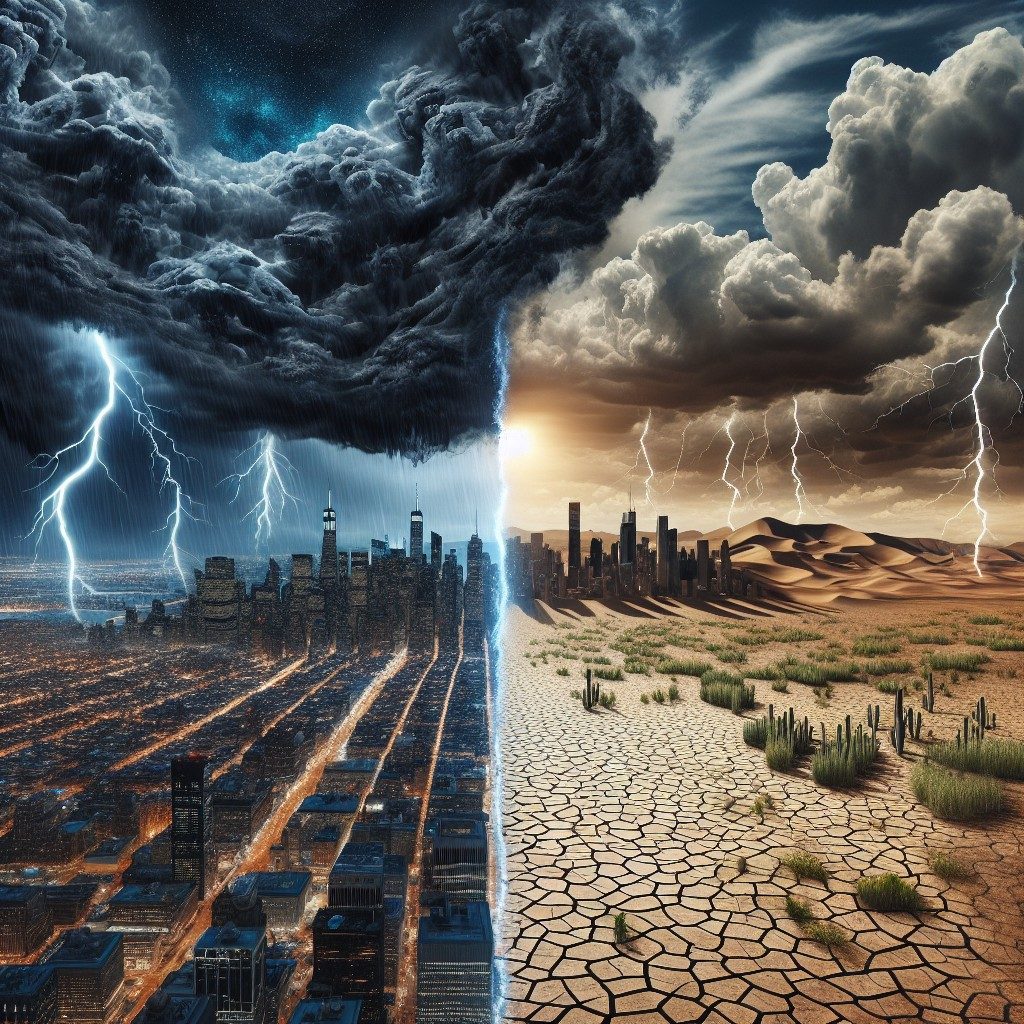
As nations around the world grapple with the impacts of climate change, a comprehensive climate analysis reveals shocking projections for 2026. Experts from the International Climate Institute (ICI) have released new findings indicating that extreme weather patterns are expected to become increasingly prevalent. This report highlights the urgent need for improved preparation and adaptation strategies.
Increased Frequency of Extreme Weather Events
The latest climate analysis conducted by the ICI suggests that there will be a significant increase in the frequency of extreme weather events by 2026. The report points out that heatwaves in many regions are anticipated to become more intense and prolonged. Areas that have traditionally seen moderate temperatures may experience temperatures soaring well above historical averages, causing strain on energy resources and public health systems.
Unpredictable Precipitation Patterns
Another significant finding from the climate analysis pertains to unpredictable precipitation patterns. Researchers forecast that some regions will face devastating floods, while others may endure severe drought conditions. These shifts could disrupt agricultural production, leading to potential food shortages and increased prices. The implications for food security are dire, particularly in vulnerable populations who depend on consistent rainfall for their livelihoods.
Rising Sea Levels and Coastal Erosion
The climate analysis also brings alarming predictions regarding rising sea levels. Low-lying coastal areas are at an increased risk of flooding, and major cities worldwide may face threats of erosion and habitat loss. According to experts, by 2026, proactive measures will be essential to safeguard communities along coastlines. Governments need to invest in infrastructure that can withstand the increasing pressures of climate change, such as sea walls and improved drainage systems.
Conclusion: A Call for Action
The findings from this climate analysis serve as a wake-up call for governments, businesses, and individuals alike. As we approach 2026, the realities of climate change are becoming increasingly apparent, signaling the need for immediate and effective action. It is vital that international cooperation and innovative solutions are prioritized to mitigate these damaging effects. The path forward requires a united effort to adapt to the changes we cannot reverse and to passionately pursue initiatives focused on sustainability.
Frequently Asked Questions about Climate Analysis
What is the significance of the climate analysis conducted by experts?
The climate analysis reveals critical trends in weather patterns that must be addressed by policymakers to mitigate the impacts of climate change.
How will the climate analysis findings affect agriculture?
The climate analysis suggests that unpredictable precipitation patterns will significantly impact agricultural yields, which could lead to food insecurity.
What measures can be taken based on the climate analysis?
Based on the climate analysis, measures such as improved infrastructure to handle flooding and enhanced agricultural practices need to be implemented.
Where can I find more information about climate analysis reports?
For more in-depth information, refer to resources from international bodies such as the Intergovernmental Panel on Climate Change, which offers extensive reports on climate-related data.
How reliable are the predictions made in the climate analysis?
The predictions made in the climate analysis are based on robust scientific data and models that have been peer-reviewed and validated by leading experts in the field.